
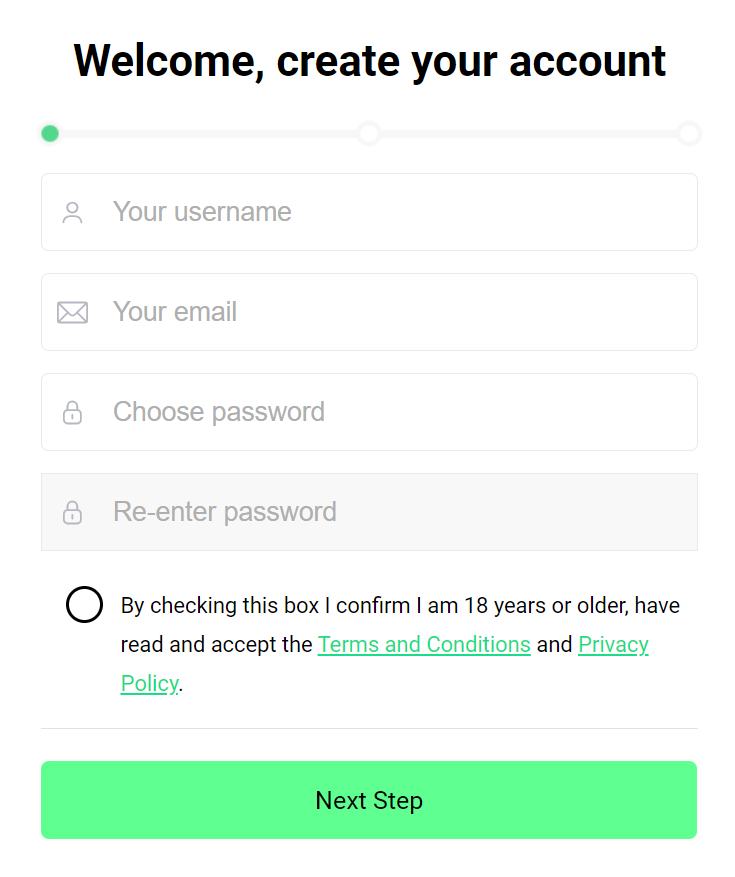
Thunderstruck Slot, https://thunderstruckslot.eu/, like many operators in the UK gaming industry, adopts thorough anti-money laundering measures in compliance with the Gambling Act 2005. The operator’s commitment to financial integrity is evident through its rigorous player verification and transaction monitoring processes. These protocols address various risks but raise questions about their effectiveness and adaptability in an evolving regulatory environment. What additional measures could further improve their approach to safeguarding against financial misconduct?
Overview of AML Regulations in the UK Gaming Market
As the UK gaming market evolves, it remains under stringent anti-money laundering (AML) regulations designed to combat financial crime. The UK’s regulatory structure encompasses the Gambling Act 2005, the Proceeds of Crime Act 2002, and the Terrorism Act 2000, forming a thorough approach to financial integrity. Operators must carry out risk assessment protocols, identify high-risk customers, and conduct ongoing monitoring to detect suspicious activities. Furthermore, the Financial Conduct Authority (FCA) enforces compliance, requiring operators to report any identified irregularities promptly. These measures guarantee that the industry maintains transparency and integrity while safeguarding against the potential misuse of gambling for laundering illicit funds. Effectively maneuvering these regulations is critical for operators aiming to establish a secure environment in an increasingly competitive market.
Player Verification Processes Implemented by Thunderstruck
Thunderstruck employs a strong player verification process that comprises several critical steps to guarantee compliance with anti-money laundering regulations. This systematic approach not only promotes trust but also deters illicit activities. The verification process is layered and includes:
- Identity Confirmation
- Age Verification
- Source of Funds Assessment
Transaction Monitoring and Reporting Procedures
Transaction monitoring and reporting procedures play a essential role in the effectiveness of anti-money laundering strategies. Automated monitoring systems can flag atypical activities, triggering the need for suspicious activity reporting that aligns with legal compliance measures. By executing these procedures, organizations boost their ability to detect and address potential financial crimes effectively.
Automated Monitoring Systems
While https://data-api.marketindex.com.au/api/v1/announcements/XASX:BET:2A1221918/pdf/inline/australias-top-rails-bookmakers-sign-deals-to-launch-online financial institutions face increasing pressure to combat money laundering, Automated Monitoring Systems (AMS) have become indispensable tools for enhancing transaction monitoring and reporting procedures. These systems examine large volumes of transactions in real-time, guaranteeing compliance and lessening risk. Their effectiveness hinges on:
- Anomaly Detection
- Regulatory Compliance
- Efficient Resource Allocation
Through precision and speed, AMS not only enhances processes but also strengthens a financial institution’s ability to detect potential illicit activities, supporting its commitment to anti-money laundering pitchbook.com initiatives.
Suspicious Activity Reporting
Automated Monitoring Systems greatly improve the process of Suspicious Activity Reporting (SAR), which is integral to effective transaction monitoring and reporting procedures. These systems assess transaction patterns in real-time, flagging anomalies that warrant further investigation. By employing advanced algorithms, organizations can detect atypical behaviors, such as large cash deposits or rapid transfers between accounts, which may suggest potential money laundering activities. In addition, SARs require detailed documentation of the findings, including the nature of the suspicious activity and any relevant customer information. Timely identification and reporting of these activities not only support regulatory compliance but also improve operational integrity. Consequently, these measures allow organizations to lessen risks and add to the broader fight against financial crime.
Regulatory Compliance Measures
Regulatory compliance measures play a vital role in safeguarding financial systems from illicit activities by guaranteeing that organizations adhere to established transaction monitoring and reporting procedures. These measures enhance an institution’s ability to detect and prevent money laundering through structured systems that focus on:
- Real-time Monitoring
- Risk Assessment
Risk Assessment and Management Strategies
Robust risk assessment and management strategies constitute the foundation of solid anti-money laundering (AML) structures. Organizations must recognize and assess inherent risks associated with money laundering activities, which often originate from customer behaviors, geographical considerations, and transaction types. By utilizing a systematic approach, businesses can rank risk factors, guaranteeing resources target the highest threats. Executing robust controls, such as customer due diligence and transaction monitoring, further reduces identified risks. Additionally, continuous training for staff improves awareness of emerging trends and regulatory expectations, enabling proactive responses to potential vulnerabilities. Consistently updating risk assessments in accordance with regulatory changes ensures organizations remain alert and adaptable, fostering an environment conducive to effective AML strategies and minimizing exposure to criminal activities.
Collaboration With Regulatory Authorities
Collaboration with regulatory authorities is crucial for enhancing anti-money laundering (AML) efforts. By engaging regulators, institutions can better implement compliance standards and formulate effective risk assessment strategies. This partnership not only ensures adherence to current regulations but also cultivates adaptability to new threats in the financial environment.
Engaging With Regulators
When organizations proactively engage with authorities, they cultivate a relationship that not only ensures compliance but also enhances the effectiveness of anti-money laundering (AML) measures. This engagement allows firms to better understand regulatory expectations, paving the way for strong AML structures. To optimize the benefits of such interactions, organizations should focus on:
- Open Communication
- Feedback Mechanisms
- Joint Training Programs
Such strategic engagements ultimately fortify the integrity of the financial ecosystem.
Compliance Standards Implementation
Executing adherence standards necessitates a unified partnership between institutions and regulatory authorities to guarantee adherence to anti-money laundering (AML) protocols. This cooperation involves shared responsibilities, where institutions must proactively engage with regulators to interpret guidelines and align internal policies accordingly. Regular meetings help identify emerging risks and update compliance structures in real time, ensuring they meet evolving regulatory expectations. Furthermore, transparency nurtures trust, enhancing the effectiveness of AML measures. Organizations should also invest in training staff to understand and carry out these standards, as well-trained personnel are vital for alerting regulators to suspicious activities. In this ever-changing environment, an unwavering commitment to compliance not only safeguards institutions but strengthens the integrity of the financial system as a whole.
Risk Assessment Strategies
Effective risk assessment strategies are vital for institutions aiming to strongly combat money laundering. By collaborating with regulatory authorities, organizations can improve their understanding of risk factors, leading to more effective anti-money laundering protocols. Key strategies include:
- Data Sharing
- Best Practice Guidelines
- Training Initiatives
Through the following strategies, organizations can establish a strong structure for analyzing risks, ultimately reinforcing their defenses against financial crime.
Promoting Responsible Gambling Practices
Promoting responsible gambling practices is essential for shielding individuals and communities from the prospective harms related to gambling activities. Operators must enforce rigorous measures such as self-exclusion programs, loss limits, and time-out options to assist players in handling their gambling. Educational initiatives should highlight the risks linked to excessive gambling, providing players with the knowledge necessary to make educated decisions. Furthermore, employing data analytics can help detect at-risk individuals, facilitating timely interventions. Strictly enforcing advertising regulations guarantees that promotions won’t focus on vulnerable populations. By fostering a culture of accountability and transparency within the industry, stakeholders can reduce the detrimental effects of gambling while helping individuals in enjoying a protected, more equitable gaming experience.
Conclusion
To summarize, Thunderstruck Slot exemplifies a firm commitment to anti-money laundering measures within the UK gaming market. Through thorough player verification, real-time transaction monitoring, and active collaboration with regulatory bodies, it efficiently reduces financial risks. Additionally, by integrating thorough risk assessment strategies and promoting responsible gambling practices, Thunderstruck not only boosts its operational integrity but also creates a more secure gaming environment for all players. Such initiatives reinforce its reputation as a responsible gaming operator.